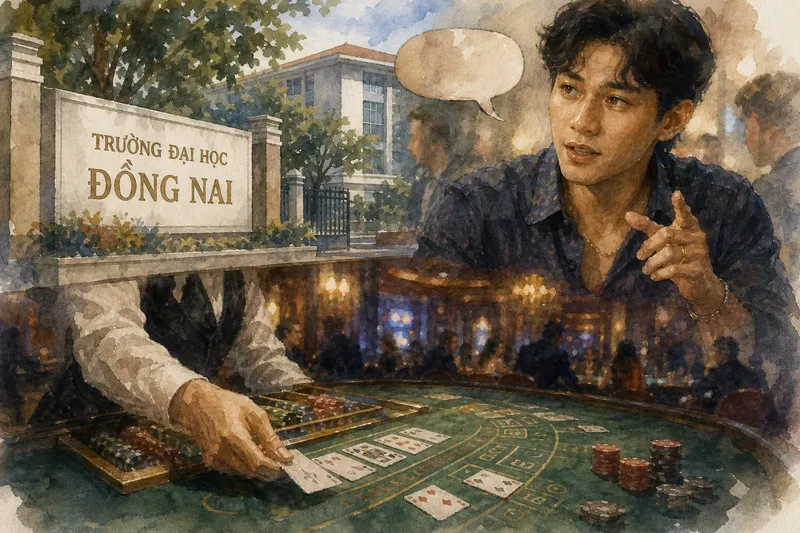
How to Read Dong Nai References in Casino-Culture Stories
Learn how to read Dong Nai references in casino-culture stories by separating fictional settings, remembered language, and discussion of real-world places.

The common mistake in reading casino-culture stories is treating “Dong Nai” as a complete explanation. In stories about Trường Đại học Đồng Nai and casino culture, the place name may locate a scene, shape a memory, or provide a regional lens. Read the surrounding words before deciding what the story claims.
Follow the story’s geography
A place name can anchor a scene without making geography the story’s subject. Look for the action attached to Dong Nai: a character travels through it, a narrator recalls it, or the account examines its role in a broader story. These verbs show whether the region is a setting, a source of memory, or the focus of discussion.
Maps and place names can help orient a reader, but they cannot fill gaps in the account. If a story names the region without identifying a particular site, keep the location broad rather than assigning the scene to a town, street, or venue.
Record what the story locates, not what you imagine it might mean.
Separate casino imagery from casino activity
Casino culture can appear in fiction, film, family recollection, public conversation, or discussion of gambling venues. The phrase alone does not establish which one the account means. Check the surrounding nouns and verbs: does a character enter a casino, does a speaker remember a phrase, or does a narrator interpret an image?
A fictional casino in a Dong Nai setting is a narrative detail, not a report of an operating venue. A family story about gambling language records what someone remembers, not necessarily how people in the region speak today. Keep each claim attached to the kind of source that makes it.
For a quick reading, underline the action and circle the source.
Notice how language carries cultural memory
Words associated with gambling may evoke risk, luck, escape, or social status. Their meaning depends on who uses them and where they appear. A line of dialogue, a remembered expression, and a public discussion can use similar words for different purposes.
When an account presents a phrase as memory, identify whose memory it is and what occasion prompted it. Avoid turning one person’s recollection into a claim about the region as a whole. When the phrase appears in a film or story, describe its role in that work before assigning it a broader cultural meaning.
Choose a careful description when details are missing
- If the account describes a casino in a fictional scene, then call it a fictional setting; otherwise, if it explicitly reports a real venue, attribute that report to its source.
- If a speaker recalls a gambling-related phrase, then identify it as remembered language; otherwise, if the account documents current public wording, describe the specific source and context.
- If Dong Nai appears only as the backdrop to an event, then call it the setting; otherwise, if the account analyzes the region, describe Dong Nai as the subject.
- If a campus is mentioned as the place for a discussion, then describe the discussion as taking place there; otherwise, if no event location is stated, do not assign the campus that role.
- If an account names a venue but gives no detail supporting its status, then attribute the claim and leave it unverified; otherwise, if it identifies the claim’s source and basis, summarize those details without extending them.
- If a story links casino imagery to a character’s memory, then keep the interpretation tied to that character; otherwise, if the narrator makes the connection, identify it as the narrator’s framing.
Choose the narrowest wording that accurately fits the source.
Which details clarify a Dong Nai casino-culture story?
Does a casino reference always mean a real venue?
No. It may refer to fiction, remembered language, imagery, or an actual place. Look for a direct description of a venue and identify who is making that claim.
What does Dong Nai contribute to a story?
It may locate an event, frame a memory, or serve as the topic of analysis. The action and surrounding sentences usually reveal which role the name plays.
How should a remembered phrase be described?
Name it as a recollection and connect it to the speaker or account that supplies it. Do not present a personal memory as a description of present-day regional speech.
What if the account leaves the connection unclear?
State only the details it gives and leave the relationship unresolved. Do not supply a link between the region, a campus, and casino activity that the source does not make.
Work through an invented campus notice
Imagine an invented notice that names Trường Đại học Đồng Nai and announces a student discussion of casino imagery in regional storytelling. It says nothing about a real venue. First, note the named institution. Next, identify the action: students will discuss imagery. Then record the subject: storytelling. Finally, check whether the notice claims that a venue operates in Dong Nai; it does not. The supported description is a campus discussion about casino imagery, not a report of local casino activity or a statement about life across the region.
If the same invented notice added a passage from a family recollection, describe that passage as memory and name its source within the account. That wording preserves the cultural detail without enlarging one recollection into a regional generalization.
Retell the story without adding claims
A clear retelling preserves the speaker or narrator, the action, the setting, and the kind of reference involved. Say “a character recalls a gambling phrase” when the source presents memory, or “the story places a fictional casino in Dong Nai” when it presents a scene. If the account describes a public discussion, name that discussion rather than converting it into a claim about local practice.
When you summarize a Dong Nai reference in a casino-culture story, check that every place, memory, and venue claim comes from the account itself. If a detail is absent, leave it open; that restraint keeps the geography and cultural meaning clear.